
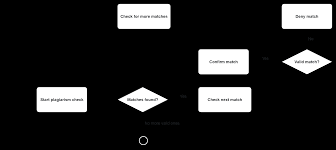
In the realm of academics and professional writing, ensuring the authenticity of content is paramount. To maintain the integrity of written work, educational institutions and businesses regularly turn to advanced tools for plagiarism detection. Among these tools, PlagiarismCheck stands out as a sophisticated solution designed to streamline and automate the assessment process through its seamless integrations with various platforms.
The Importance of Plagiarism Detection
Identifying and preventing plagiarism is crucial in fostering an environment that values originality and ethical conduct. It helps protect intellectual property rights and upholds the standard of academic honesty. PlagiarismCheck is more than just a tool to catch copy-pasted content; it’s an educational aid that helps improve students’ writing skills by highlighting areas for improvement and encouraging independent research and critical thinking.
Integration with Learning Management Systems
One of the key strengths of PlagiarismCheck is its ability to integrate with popular Learning Management Systems (LMS) such as Moodle, Canvas, Blackboard, and Google Classroom. This integration offers educators a streamlined workflow by allowing them to check submissions for plagiarism directly within their preferred LMS interface. Teachers can set up assignments, receive submissions, check for originality, and provide feedback all from one platform, saving time and enhancing the education process.
API Integration for Custom Platforms
For organizations seeking to embed plagiarism detection into their custom systems or applications, PlagiarismCheck provides a robust Application Programming Interface (API). This offers flexibility and customization opportunities enabling a tailored approach to plagiarism assessment. Developers can integrate the API into internal document management systems or any platform where text review is required, ensuring consistent plagiarism screening across varying channels.
Feedback Mechanisms
Beyond simply highlighting potential instances of plagiarism, PlagiarismCheck facilitates educational feedback through detailed reports. When integrated into assignment submission workflows, it provides teachers and students with comprehensive analysis including similarity scores, source links, and highlighted portions of text that may require further review or citation. This level of detail aids in teaching proper research techniques and citation practices.
Support for Multiple File Formats
PlagiarismCheck supports an array of file formats including .docx, .pdf, .txt, and others, making it versatile for various submission types. Its ability to parse contents from multiple document formats ensures that assessments are not limited or hindered by file-type compatibility issues.
Security and Privacy
Data security and privacy are at the forefront when using cloud-based solutions like PlagiarismCheck. The service ensures encrypted data transfer and storage while adhering to strict privacy policies which guarantee that all uploaded content is kept confidential.
Ease of Use
The intuitive user interface presented by PlagiarismCheck’s integrations ensures that both educators and students can easily navigate through the plagiarism checking process without extensive training or technical know-how. User experience is key in promoting widespread adoption across educational institutions.
Conclusion
PlagiarismCheck’s expansive integration capabilities position it as a vital tool in modernizing the assessment process. From LMS compatibility to API customization for proprietary platforms, it offers flexible solutions designed for educators committed to maintaining academic integrity. Its user-friendly approach combined with robust features solidifies PlagiarismCheck as an indispensable asset in automation aimed at transforming assessment workflows into efficient allies against plagiarism.