
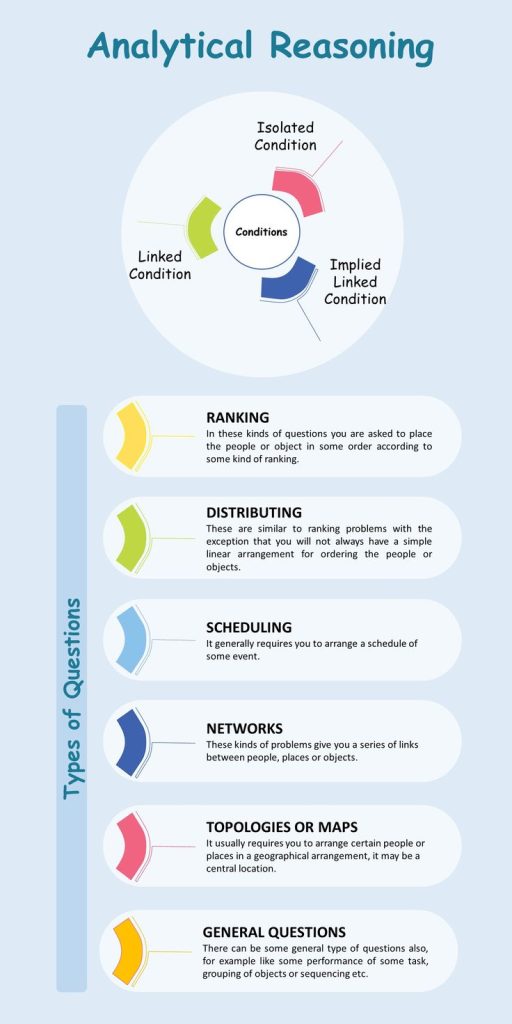
In the age of digital transformation and continuous innovation, eLearning has taken center stage in education, professional development, and self-improvement. As we look toward 2030, one skill that stands out for its critical importance across various sectors is analytical reasoning. This pivotal ability allows individuals to assess situations, interpret data, and make informed decisions based on objective criteria.
The acceleration in technological advancement means that data is becoming increasingly available; hence, the capacity to sift through vast amounts of information and extract actionable insights is more valuable than ever. Indeed, analytical reasoning goes beyond simple problem-solving; it involves a systematic examination of complex issues or data sets to discern patterns, understand relationships, and develop strategies based on empirical evidence.
In the context of eLearning, developing analytical reasoning skills can be facilitated by interactive courses that involve case studies, simulations, and problem-based learning scenarios. These digital platforms enable learners to practice real-world applications of data analysis and critical thinking in a controlled environment. As artificial intelligence (AI) continues to become intertwined with eLearning systems, personalized learning experiences are optimized to challenge an individual at their specific level of competence, thereby efficiently cultivating their analytic prowess.
Moreover, eLearning resources are unparalleled in their flexibility and accessibility, making the acquisition of analytical skills possible for a wide audience regardless of geographic location or socioeconomic status. Online courses geared towards data science, business analytics, and decision-making processes are readily available for those seeking to enhance their analytical capabilities.
Looking forward to 2030, eLearning will likely evolve with even more sophisticated methods for teaching analytical reasoning. The integration of virtual reality (VR) and augmented reality (AR) into educational content offers immersive experiences that could significantly improve the assimilation of complex analytical concepts. Additionally, advancements in AI could lead to adaptive learning environments that dynamically adjust content complexity in real-time according to the learner’s progress.
In conclusion, as we march into the third decade of the 21st century with a growing reliance on data-driven decisions across all fields—from healthcare and finance to education and public policy—the need for robust analytical reasoning skills will be more pronounced than ever. Henceforth, eLearning platforms will play a critical role in preparing individuals to meet the challenges posed by an increasingly complex world where analytical acumen is not just valued but essential. To thrive in 2030 and beyond, engaging with eLearning tools to harness these skills will be imperative for success.