Shape the list of the Top 20 eLearning Content Providers

The eLearning industry has been rapidly evolving, and with the global shift towards remote learning and work, having access to high-quality eLearning content is more critical than ever. We have compiled a list of the top 20 eLearning content providers that have been shaping the education and training landscapes in 2023.

1. Coursera – Partnering with universities and organizations worldwide, Coursera offers a vast range of courses on various subjects.

2. Udemy – With an impressive catalogue of courses created by expert instructors, Udemy caters to learning needs across numerous disciplines.

3. Skillshare – Focused on creative education, Skillshare encourages interactive learning through project-based classes.

4. Khan Academy – A non-profit organization providing free educational resources for students, Khan Academy covers a broad spectrum of subjects from K-12.

5. edX – Co-founded by MIT and Harvard, edX hosts high-quality courses from many prestigious institutions.

6. LinkedIn Learning – Known for its professional development courses, LinkedIn Learning offers content tailored to help individuals advance their careers.

7. Pluralsight – This tech-centric platform delivers comprehensive IT courses and assessments for professionals.

8. MasterClass – MasterClass differentiates itself by offering classes taught by celebrities and world-renowned experts in various fields.

9. Lynda.com (now LinkedIn Learning) – A longstanding veteran in the online course space known for its extensive collection of tutorials in business, technology, and creative skills.

10. Adobe Captivate Prime – A learning management system that provides personalized learning experiences across various devices.

11. Articulate 360 – Offers tools and resources to create customized eLearning courses suited for any organization’s needs.

12. SAP Litmos – A versatile LMS platform that integrates with multiple systems to provide streamlined learning experiences.

13. LearnDash – Specializing in creating LMSs for WordPress sites, LearnDash makes it easy for anyone to set up their own course online.

14. Docebo – Leveraging artificial intelligence, Docebo delivers a custom and scalable learning platform for businesses.

15. Cornerstone OnDemand – Provides comprehensive learning solutions aimed at fostering a skilled workforce for enterprises.

16. OpenSesame – As a marketplace for online training courses, OpenSesame connects companies with the content relevant to their industries.

17. Grovo (now part of Cornerstone OnDemand) – Grovo offers microlearning solutions focused on employee training and engagement.

18. Elucidat – This multiplatform authoring tool allows businesses to create high-quality eLearning content efficiently.

19. TalentLMS – Designed to simplify employee training without skimping on features necessary for comprehensive coursework creation and delivery.

20. Absorb LMS – Known for its intuitive design and robust features that facilitate training in small businesses as well as large corporations.

These providers stand out due to their dynamic range of offerings, cutting-edge platforms, expert instructors, and tailored learning paths that meet the diverse needs of learners today. Whether you are seeking professional development or personal enrichment, these top eLearning content providers offer resources designed to shape your educational journey into an enriching experience worthy of the digital age.

Fuse Universal Welcomes New Chief Technology Officer Tim O’Donoghue

In a significant development for the e-learning sector, Fuse Universal has proudly announced the appointment of Tim O’Donoghue as its new Chief Technology Officer (CTO). O’Donoghue joins Fuse with a wealth of experience in the technology space, bringing with him a deep understanding of innovation, strategy, and team leadership.

Having been on the forefront of technological advancement in his previous roles, O’Donoghue is expected to spearhead Fuse Universal’s efforts to redefine corporate learning through cutting-edge technology. O’Donoghue’s passion for technology and its potential to impact education will be a central aspect of his tenure as he works to enhance Fuse Universal’s platform capabilities.

His extensive background includes leading teams at prominent tech companies where he was instrumental in driving growth and technological breakthroughs. At Fuse, O’Donoghue will be responsible for overseeing the company’s technological roadmap, ensuring that its solutions remain at the forefront of learning technology.

The executive team at Fuse Universal has expressed their excitement over O’Donoghue’s appointment. In official statements, leadership highlighted his proven track record in building robust tech strategies and fostering innovation. They are confident that his experience and vision will be invaluable as they continue to expand their global reach and develop more personalized, learner-centric solutions.

O’Donoghue’s appointment comes at a time when Fuse Universal is expanding its presence and aiming to set new benchmarks for interactive learning experiences. His role will not only involve technical oversight but also strategic planning as the company endeavors to empower organizations through knowledge and learning excellence.

Tim O’Donoghue’s enthusiasm for using technology to empower learners aligns perfectly with Fuse Universal’s mission to unlock the knowledge and skills that drive business performance. As industries evolve at a rapid pace, Fuse is poised with a CTO whose expertise is certain to innovate and inspire both existing clients and the e-learning community at large.

Content Providers for Content Authoring – Training Needs Analysis Industry

As technology continues to shape how we access, create, and distribute content, the necessity for adept content providers within the field of content authoring—particularly in the Training Needs Analysis (TNA) industry—is more conspicuous than ever.

Content Providers are integral players in the ecosystem of training and development. In the context of the TNA industry, these entities or individuals specialize in offering tailored content that aligns with the specific needs identified during a training needs analysis.

TNA is a systematic approach used to determine if there are any gaps between current and desired competencies within an organization. By conducting a TNA, companies gain comprehensive insights into skill deficiencies and can focus their efforts accordingly to bridge these gaps through targeted training programs.

Why is this important? Because without this crucial information scaffolding their approach, no amount of flashy educational technology or engaging multimedia resources will have a lasting impact on employee performance or organizational growth.

Enter Content Providers: experts who not only grasp the core objectives derived from TNAs but also possess a deep understanding of teaching methodologies, learning styles, and knowledge delivery mechanisms that can adapt to various learner profiles. They must craft materials that are not only informative but motivational and retrievable in a real-world context — converting theoretical knowledge into practical skills.

To excel as a Content Provider in this niche, mastery over several core competencies is required:

1) Instructional Design Expertise: A strong understanding of how adults learn and what pedagogical strategies work best in different learning environments.

2) Subject Matter Knowledge: A deep reservoir of information pertaining to the topics being taught.

3) Technology Skills: Proficiency in authoring tools and platforms used to create interactive and engaging digital content.

4) Analytical Abilities: To interpret TNA data accurately and use it to shape targeted learning solutions.

5) Creativity: The capacity to conceptualize fresh and appealing ways to present information that captivates learners.

6) Communication Skills: To articulate complex ideas simply and effectively.

In essence, these Content Providers are sculpting the learning paths that assist businesses in obtaining not only competitive advantage but also ensuring their workforce is agile, competent, and future-ready.

Moreover, Content Providers play a crucial role beyond merely crafting materials. They must remain up-to-date with industry trends and ongoing educational research to constantly refine their offerings. Also, in certain cases, they act as consultants during the TNA process itself, lending their expertise to identify needs more astutely.

As industries evolve at breakneck speeds — thanks largely to advancements in digital technologies — the demand for tailored learning experiences burgeons. This creates ample space for Content Providers who are versatile enough to meet these growing demands while providing high-quality educational products that truly close skills gaps.

Ultimately, success in this domain depends upon creating content that is both relevant and compelling enough to facilitate tangible improvements within organizations – an endeavor at which proficient Content Providers must aim to excel.

Paid Learning Management Systems

Paid Learning Management Systems (LMS) have become integral to the modern educational landscape, offering robust platforms for delivering courses and tracking learner progress. They are widely adopted across various sectors including corporate training, higher education, and professional development programs due to their efficiency in handling large amounts of data and providing a personalized learning experience.

The primary advantage of paid LMS platforms is the comprehensive feature set they offer. Unlike free versions, these systems typically include advanced analytics, better support services, customizability, integration with third-party tools, and greater storage capacity. This allows for a more tailored approach to education where instructors can adapt the platform to meet specific course objectives and organizational needs.

Moreover, paid LMSs often boast superior user experience with intuitive interfaces that make both teaching and learning more accessible and enjoyable. They also tend to have stronger security measures in place, which is crucial for organizations that handle sensitive information or need to comply with privacy regulations.

Some of the most popular paid LMSs include Canvas by Instructure, Blackboard Learn, and Moodle Workplace. Each offers unique features designed to enhance the learning process such as mobile accessibility, social learning capabilities, and comprehensive assessment engines.

The scalability of paid LMSs is another significant benefit. They can support a handful of users or expand to accommodate thousands, making them suitable for various organizations regardless of size. Moreover, most providers offer cloud hosting options which reduce the need for internal IT infrastructure maintenance.

In summary, while there are many free LMS options available, investing in a paid system can significantly benefit an organization’s training and development goals. With a greater range of features and better support systems in place, paid Learning Management Systems provide a robust framework for delivering impactful education programs. The key is selecting an LMS that aligns with the specific goals and requirements of the institution or company implementing it.

eLearning Content Providers for Virtual Instructor-Led Training (VILT)

The growth of digital technology has seamlessly paved the way for innovative approaches to education and training. Virtual Instructor-Led Training (VILT) has emerged as a vital component within the eLearning spectrum, allowing instructors to teach remote learners in a virtual environment that simulates a traditional classroom. To facilitate effective VILT, high-quality content is essential, and there are numerous eLearning content providers who specialize in this field.

These providers offer a range of services and products to enhance the VILT experience. From creating interactive multimedia presentations to integrating assessment tools that provide immediate feedback, these content providers ensure that virtual sessions are engaging, informative, and measurable in terms of learning outcomes.

A hallmark of an effective VILT content provider is the ability to tailor content to meet specific learning objectives while ensuring that it’s accessible across devices and platforms. This not only includes laptops and desktop computers but also mobile devices such as tablets and smartphones, ensuring that learning can happen anytime, anywhere.

Moreover, these eLearning content providers often incorporate techniques such as gamification to increase learner engagement. Learners can earn badges or points for completing modules, which adds a competitive element to the educational process. Additionally, social learning features like forums or message boards are incorporated within the VILT environments to encourage interaction and collaborative learning among students.

The flexibility of customization is crucial when it comes to serving a diverse set of industries. Providers must be adept at creating industry-specific scenarios and case studies that resonate with professionals in various fields – from healthcare and finance to retail and technology.

Another critical feature offered by some of the top-tier eLearning content providers for VILT is analytics and reporting capabilities. This data-driven approach allows educators and trainers to track progress, identify areas where learners may struggle, and provide targeted support to improve learning outcomes.

When choosing an eLearning content provider for VILT programs, it’s important to consider their expertise in instructional design, multimedia production, compatibility with various Learning Management Systems (LMS), and overall experience in delivering impactful virtual training.

In conclusion, as more organizations embrace remote learning environments, the role of eLearning content providers in developing Virtual Instructor-Led Training programs becomes increasingly crucial. Their dedication to creating engaging, relevant, and accessible content ensures that VILT remains a powerful tool for knowledge transfer in today’s fast-paced digital world.

Applicant Tracking Systems with Paid License

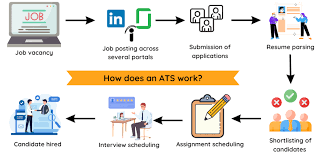
Applicant Tracking Systems (ATS) with paid licenses are revolutionizing the recruitment process. With the advent of sophisticated HR technology, organizations are increasingly relying on these systems to streamline their hiring process. But what exactly is an ATS, and why are companies choosing paid versions over free alternatives?

An Applicant Tracking System is a software application that enables the electronic handling of recruitment needs. An ATS can be implemented or accessed online on an enterprise or small business level, depending on the needs of the company, and is often integrated with other HR software. The core functionality of an ATS is to collect and organize candidate resumes, screening for specific criteria such as skills, experience, and education. This allows recruiters to sort through applicants efficiently, identifying the most promising candidates quickly.

Paid ATS solutions offer several advantages over their free counterparts. First and foremost is the level of customization they provide. Paid systems often include powerful tools for branding, allowing companies to tailor the application portal to their corporate identity. This creates a more professional appearance and enhances the candidate’s experience.

Additionally, paid ATS solutions usually come with superior customer service and technical support. Providers of paid licenses understand that system issues can disrupt the recruitment process and typically offer prompt and effective support to resolve any problems.

The integration capabilities of paid ATS platforms are another significant selling point. They can seamlessly connect with other HR systems such as performance management tools, payroll systems, and background check services. This integration saves time and reduces the room for error by automating data transfer between platforms.

Analytics is another area where paid ATS products excel. They often come equipped with comprehensive reporting tools that analyze everything from time-to-hire to source effectiveness. This data is invaluable for improving recruitment strategies over time.

Security features in paid ATS solutions are also more robust compared to free ones. With the sensitive nature of applicant data, ensuring its safety is paramount for businesses to maintain trust and comply with laws like GDPR.

Lastly, paid ATS systems tend to offer more advanced features like AI-driven candidate matching, video interviewing capabilities, and automated communication workflows which significantly improve efficiency in the recruitment process.

In conclusion, while free Applicant Tracking Systems may appeal to those on a tight budget or with minimal requirements, paid ATS platforms provide vast superiority in functionality and support that can greatly enhance a company’s ability to recruit effectively and efficiently. As organizations vie for top talent in competitive markets, investing in a robust recruiting tool with a paid license could make all the difference in attracting and securing the best candidates.

Top Content Providers For Custom eLearning

In the rapidly evolving world of digital education, custom eLearning content providers have emerged as critical partners for organizations seeking to enhance learning experiences and achieve better educational outcomes. With the demand for personalized learning on the rise, these content providers offer tailored solutions that drive engagement and cater to diverse learning needs. We’ll explore some of the top content providers leading the charge in creating custom eLearning materials.

1. AllenComm – Renowned for their innovative and scalable learning solutions, AllenComm offers a range of services from instructional design to gamification and mobile learning, all tailored to the specific objectives and audiences of their clients.

2. SweetRush – Celebrated for their unique approach that blends technology and creativity, SweetRush excels in creating engaging learning experiences that embody a client’s culture and values, fostering a strong emotional connection with learners.

3. EI Design – With a focus on learner-centric design, EI Design infuses its custom eLearning content with interactive strategies such as microlearning and social learning, ensuring high engagement and knowledge retention.

4. Designing Digitally – Specializing in serious games, simulations, and 3D training environments, Designing Digitally provides immersive educational experiences that make complex subjects accessible and exciting.

5. Kineo – Kineo is known for their expertise in creating high-quality bespoke content across platforms. Their global presence allows them to serve clients with a scalable approach to developing uniquely engaging eLearning courses.

6. GP Strategies – With a comprehensive suite of improvement services, GP Strategies develops custom eLearning content focused on performance transformation that aligns with business objectives.

7. Learning Pool – Offering adaptive learning platforms alongside bespoke content development, Learning Pool uses AI-driven analytics to tailor educational experiences that evolve with learners over time.

These content providers have distinguished themselves through their commitment to delivering exceptional custom eLearning solutions that resonate with learners. By combining technological innovation with an understanding of educational psychology, they create compelling content designed to meet specific learning goals while keeping users engaged and motivated.

An organization’s choice in an eLearning content provider should align with its strategic vision and the unique requirements of its learners. In partnership with these or other top-tier content providers, businesses and educational institutions can leverage custom eLearning to unlock the full potential of their training initiatives—resulting in improved performance, proficiency, and ultimately a stronger return on investment in human capital development.

G-Cube Gains Recognition as One of the Top 20 Training Delivery Companies

In the ever-evolving corporate landscape, the importance of comprehensive training cannot be overstated. Companies across the globe are constantly on the lookout for innovative and effective ways to train their employees, seeking to boost productivity, efficiency, and overall competitiveness. Amidst this growing trend, G-Cube has emerged as a leader in the training arena, recognized among the top 20 training delivery companies—a significant accolade that attests to its commitment to excellence.

G-Cube has carved a niche in providing state-of-the-art training solutions that encapsulate the latest in technology and pedagogical advancements. Their offerings range from custom eLearning to mobile learning solutions, ensuring that modern workforce’s needs for flexibility and accessibility are adequately addressed. The company understands that today’s learners demand personalized experiences, and so they tailor their solutions accordingly, using data analytics to enhance learning outcomes.

What sets G-Cube apart is its ability to deliver a seamless educational experience across various platforms. Their Learning Management System (LMS), G-Cube LMS, is an innovative platform that empowers organizations to create, deliver, and track training effortlessly. It boasts a user-friendly interface, robust reporting mechanisms, and social learning features that encourage collaboration and knowledge sharing among employees.

Moreover, G-Cube’s commitment to innovation is evident in their incorporation of advanced technologies such as Artificial Intelligence (AI) and Virtual Reality (VR) into their training modules. These cutting-edge technologies make learning not just interactive but also deeply engaging—factors that substantially improve retention rates and lead to meaningful skill development.

But it’s not just about sophisticated technology; G-Cube understands that content is king. They employ a team of instructional designers who are experts at crafting program content that is both informative and engaging. The instructional material is carefully designed to meet specific learning objectives while maintaining relevance to the learners’ job roles and responsibilities.

Recognition as one of the top 20 training delivery companies serves as a testament to G-Cube’s dedication to pushing boundaries within the corporate training space. It shines a spotlight on their successful track record of delivering impactful training solutions that resonate with modern learners while fulfilling organizations’ strategic goals.

This achievement underscores the importance of quality training delivery in today’s competitive business environment. Companies like G-Cube play a crucial role in shaping workforce capabilities—enabling businesses to navigate challenges adeptly while fostering a culture of continuous learning and improvement.

As we continue into an era where knowledge equates to power, partnerships with industry-leading firms like G-Cube will be pivotal for businesses aiming high in terms of productivity and growth. With such recognition under its belt, G-Cube is indeed poised not just to meet but exceed market expectations in delivering top-tier training solutions tailored for success—both now and in the future.

Content Providers ForGraphic Design/Multimedia Development – Graphic Design Industry

The graphic design industry is a vibrant space brimming with creativity, innovation, and endless possibilities. Graphic designers and multimedia developers are always on the lookout for content that can inspire them, push their boundaries, and provide them with the tools necessary to bring their visionary projects to life. Content providers are an essential part of this ecosystem, offering a diverse range of resources that cater to various needs within the graphic design community.

Content providers for graphic design and multimedia development come in many forms. Some offer high-quality images, including stock photos, illustrations, and vector graphics that designers can use in their projects. Others focus on providing video footage, animation assets, or 3D models that are crucial for multimedia projects. There are also platforms that specialize in fonts and typography, which is a critical aspect of any visual design project.

These content providers operate on different business models. Many offer subscription services where designers can access a library of resources for a monthly or annual fee. This model provides an economical solution for designers who regularly need new content for their projects. Pay-per-item platforms are also widespread; these allow designers to purchase individual assets as needed without the commitment to a subscription.

Moreover, the emergence of community-driven content platforms has been a game-changer in the industry. These sites enable individual artists and designers to share their work with others while setting their own prices. This not only fosters a culture of collaboration and support among creators but also ensures a diverse array of styles and perspectives are available in the market.

Acclaimed content providers like Adobe Stock, Shutterstock, and Getty Images are renowned for their extensive collections that cater to almost any project requirement. For video and animation, providers such as VideoHive or Pond5 offer vast selections of motion graphics templates and stock footage. Typography enthusiasts rely on foundries like Fontshop or MyFonts to discover unique typefaces that set their work apart.

As technology evolves, so do these platforms. Many now integrate AI-driven tools that help designers find the appropriate content more efficiently through advanced search functions and recommendation systems. This integration marks an exciting development as it suggests a move towards highly personalized experiences for users based on their past preferences and project requirements.

Content providers play an instrumental role in ensuring that graphic designers and multimedia developers have access to high-quality resources that not only streamline their workflow but also ignite creativity. The plethora of available options means that no matter what your project entails or what your specific needs may be, there is likely a content provider out there ready to meet—and exceed—your expectations.

In conclusion, whether you’re searching for stunning visuals, innovative typefaces, or dynamic media elements, the ever-growing landscape of content providers will continue to support the advancement of graphic design and multimedia development. As they expand their offerings and technology improves accessibilities such as quick searching capabilities through artificial intelligence assistance – creative professionals will find it easier than ever to turn their ideas into compelling design pieces with impact.

Content Providers ForK12 Industry

The landscape of the K12 industry has been transformed by digital technology, which has come to play a pivotal role in educational content delivery. In today’s tech-savvy environment, content providers are essential in supplying the tools and resources necessary for educators to enhance learning experiences and for students to achieve academic success.

Education technology (EdTech) companies have thrived by developing engaging, curriculum-aligned content that can be easily integrated into a variety of learning platforms. These content providers differ greatly in their approaches but share a common goal: to foster an interactive and personalized learning experience.

Some notable types of content providers for the K12 industry include:

1. Digital Textbook Publishers – Traditional textbook publishers who have adapted to the digital era by offering electronic textbooks that are often enriched with interactive features such as assessments, animations, and adaptive learning components.

2. Learning Management Systems (LMS) Providers – Companies that offer platforms to deliver educational content, track student progress, and facilitate communication between students and educators. LMS platforms often include a range of built-in tools and third-party integrations.

3. Supplemental Resource Suppliers – These are providers who specialize in additional learning materials that complement core curriculum offerings. They provide resources like videos, games, worksheets, and hands-on project guides.

4. Assessment Solution Firms – Organizations focused on both formative and summative assessments help educators measure student understanding and progress through various evaluation tools.

5. Educational Game Developers – With gamification being a key engagement strategy among young learners, several companies design educational games tailored to curriculum standards that make learning fun and interactive.

6. Interactive Content Creators – Companies that focus on immersive experiences often utilize technologies like augmented reality (AR) and virtual reality (VR) to bring course material to life in innovative ways.

7. Open Educational Resources (OER) – Initiatives and organizations that provide freely accessible teaching and learning materials openly licensed to allow for redistribution and adaptation by educators.

These content providers work closely with policymakers, school districts, teachers, parents, and students to ensure that their offerings meet educational standards and address varied learning needs. As technology continues to evolve, so too does the array of tools available from these providers—making them integral players in the ongoing mission to prepare students for future academic pursuits and career challenges.