
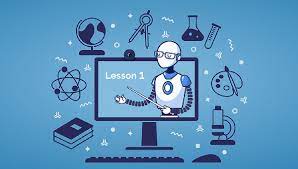
Machine learning and artificial intelligence are pivotal advancements shaping the future of various sectors, including eLearning. As educational technologies evolve, AI and ML are becoming integral to the virtual learning experience, personalizing education, and offering innovative ways to engage with content.
The integration of machine learning algorithms allows eLearning platforms to adapt content to meet individual learning preferences, creating a personalized experience that has been shown to improve engagement and retention rates. ML systems analyze learners’ interactions, progress, and challenges, enabling the platform to present materials in ways that respond to the learner’s pace and style.
Artificial intelligence takes it further by incorporating intelligent tutors and chatbots that offer instantaneous feedback and support. These AI-driven assistants can answer questions, provide explanations for complex topics, and guide through difficult exercises just as a human instructor would.
Moreover, the future of eLearning is looking towards immersive experiences with the help of AI. Virtual Reality (VR) and Augmented Reality (AR), powered by machine learning visual recognition algorithms, are already beginning to show potential in providing rich, contextualized learning environments where students can practice skills and knowledge in life-like simulations.
Data analytics driven by AI not only fine-tunes individual learning paths but also gives educators valuable insights into class performance. These analytics enable curriculum adjustments based on broader learner data trends to optimize educational outcomes across the board.
As machine learning algorithms grow more sophisticated, they will continue to contribute significantly towards adaptive learning platforms. Consequently, they will support a shift from one-size-fits-all courses to dynamic eLearning ecosystems that cater to varied educational needs across different demographics.
AI’s predictive capabilities can also forecast learner success rates and identify early signs of drop-off or struggle, allowing for timely intervention. This technology helps in democratizing education by providing high-quality resources accessible from anywhere around the globe.
In conclusion, as enthusiasts foresee an era where autonomous systems could potentially curate entire curriculums tailored for individual growth, the fusion of machine learning and artificial intelligence with eLearning paves the way for transformative educational experiences. It’s a harmonious blend poised to revolutionize how we learn, teach and grow in knowledge within a digitalized world.