
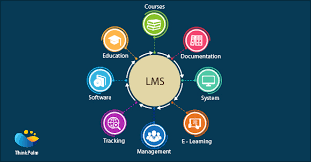
Learning Management Systems, or LMSs, are the bedrock of digital learning environments in both academic and corporate settings. In the context of training programs, eLearning has gradually taken a front seat owing to its flexibility, accessibility, and cost-effectiveness. An LMS serves as the critical facilitator in this digital transformation by providing a centralized platform for the delivery, management, and tracking of online learning.
An LMS simplifies the creation of training programs by allowing educators and trainers to design and distribute content without the need for extensive technical knowledge. The course material can include multimedia presentations, interactive sessions, and assessments, empowering trainers to create comprehensive learning experiences. This flexibility extends to learners who can access courses at their convenience from any location with internet access. This is particularly beneficial for organizations with a widespread or remotely-working workforce.
A well-integrated LMS also promotes learner engagement and retention. By using features such as gamification, discussion forums, and social learning tools, an LMS creates an interactive and collaborative environment that mirrors classroom dynamism.
Moreover, one of the central roles of an LMS in eLearning is to provide analytics and reporting tools. These features assist trainers and organization leaders in monitoring participation rates, assessing performance through quizzes and tests, and identifying areas where learners might struggle. Such insights are crucial for continuous improvement of training programs.
For organizations concerned with compliance and certification, an LMS provides a clear framework for managing mandatory training requirements. The system can track individual progress against set benchmarks to ensure that all members complete necessary training within stipulated timelines.
In conclusion, an LMS is indispensable in establishing eLearning within training programs. It acts as a comprehensive solution that not only delivers educational content effectively but also enables monitoring and assessment while providing an interactive platform for learners around the globe. As businesses and educational institutions increasingly embrace remote learning opportunities, the importance of an LMS can only be expected to grow further.