
In the fast-paced world of human resources and organizational development, companies are continually searching for tools that can enhance employee engagement and accelerate professional growth. One of the pivotal stages where technology can make a significant impact is during onboarding, a critical time for establishing a strong foundation for new employees. Incorporating 360 degree feedback into onboarding software is an emerging trend that promises to transform the way organizations approach this crucial period. But what exactly do we mean by onboarding software with 360 degree feedback, and how does it benefit both the employees and the organization?
Onboarding software serves as a platform designed to streamline and manage the process of integrating new hires into an organization. From day one, it helps in automating administrative tasks, presenting company policies, providing training materials, and setting up performance tracking. The addition of 360 degree feedback capabilities takes this process to another level by fostering a culture of open communication and continuous improvement.
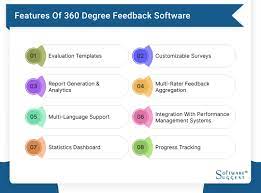
360 degree feedback delivers comprehensive insights into employee performance by gathering evaluations from various sources including supervisors, colleagues, subordinates, and sometimes even clients. By incorporating this feature into onboarding software, organizations are able to provide new hires with valuable perspectives on their performance from multiple stakeholders early in their career journey.
The benefits of this integration are multifaceted:
1. Accelerated Learning Curve: With immediate feedback from various sources, new employees can quickly identify areas for improvement, adjust their behavior or skills accordingly, and accelerate their transition into productive team members.
2. Enhanced Self-awareness: This process allows new hires to understand how their work habits and behaviors are perceived by others, fostering greater self-awareness which is essential for personal development.
3. Building a Feedback Culture: Introducing employees to a structured feedback system from the start can help in cultivating an environment where constructive criticism is valued and actively sought for continuous enhancement of work quality.
4. Data-Driven Decisions: Onboarding software with 360 degree feedback generates a wealth of data that can guide managerial decisions about employee development paths, training needs, and future leadership potential.
5. Strengthened Team Dynamics: Gathering feedback from peers during onboarding helps establish strong interpersonal relationships and fosters teamwork as employees get to understand each other’s strengths and working styles earlier on.
However, successful implementation of such systems requires thorough planning and clear communication about the purpose and use of feedback. It’s important for organizations to ensure anonymity is maintained to promote honesty while avoiding potential biases or conflicts that could arise from misinterpretation of the feedback received.
In conclusion, integrating 360 degree feedback into onboarding software is not just about technology adoption; it’s about embracing a transformative approach to developing human capital. This system provides real-time, actionable insights that benefit the individual’s growth as well as aligning with the strategic goals of the organization – making it an indispensable tool in today’s competitive business landscape.